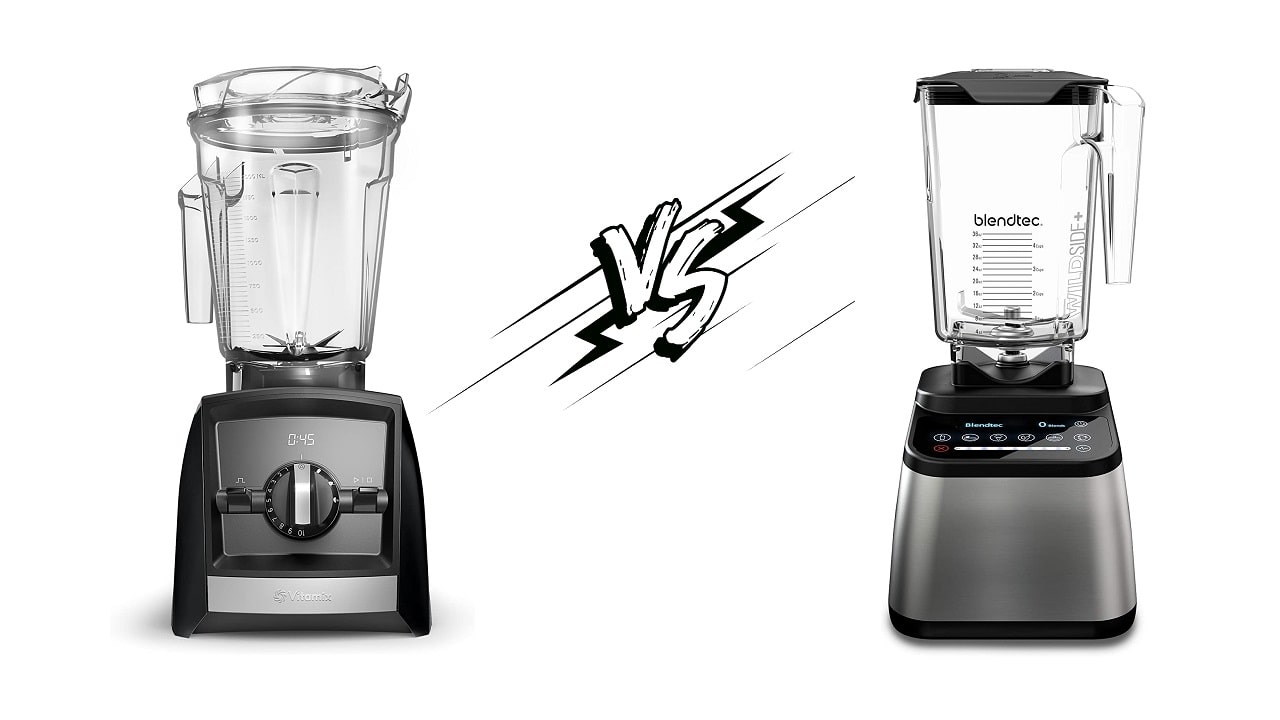
Blendtec vs Vitamix Blenders – Which Is Better?
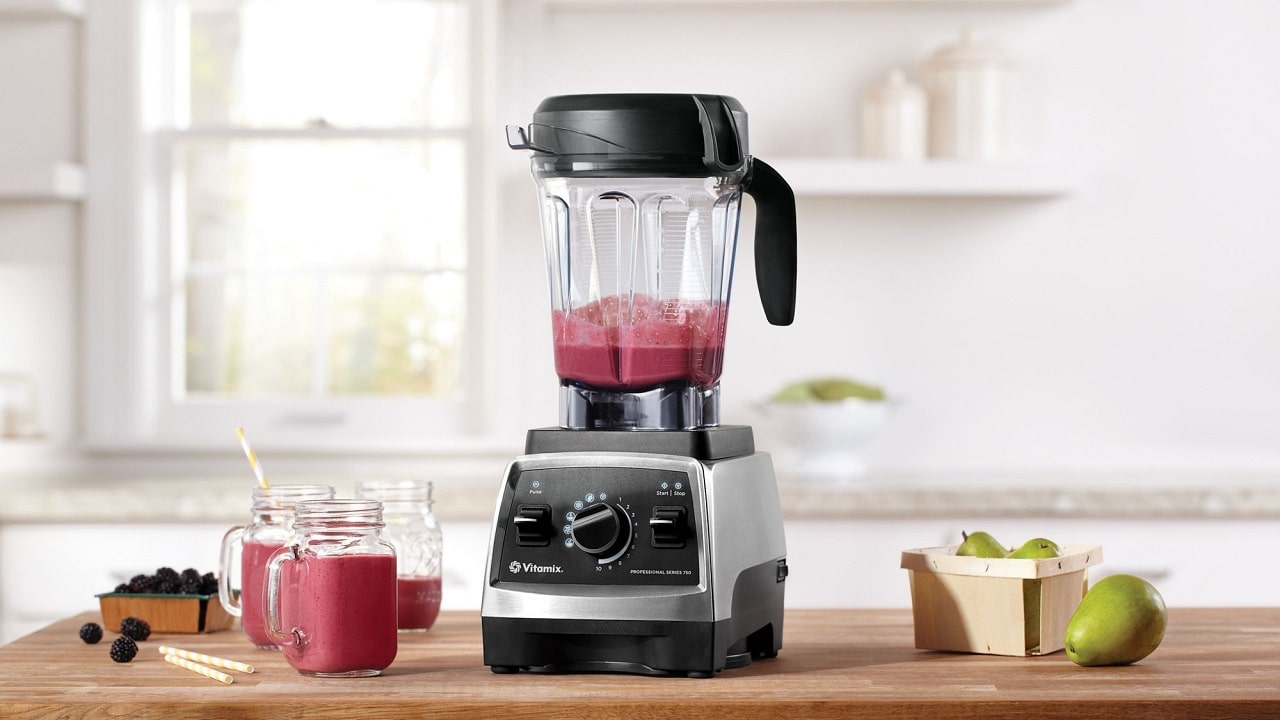
7 min read The Vitamix brand has continually amazed us with the amazing technology and development they have shown us and so has the Blendtec brand. With their blenders among the best sellers on the market, the innovation has left us all still wondering which of these brands is better. This article answers that very question.
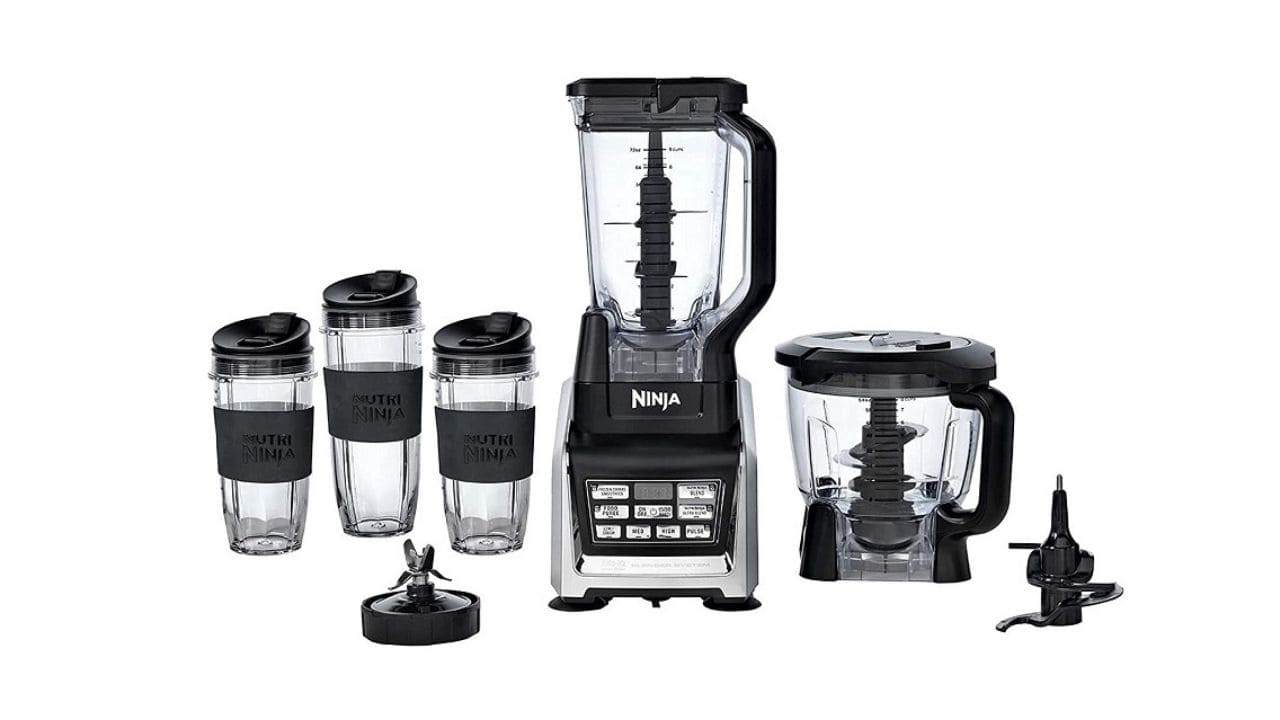
Best Blender-Food Processor Combo In 2022
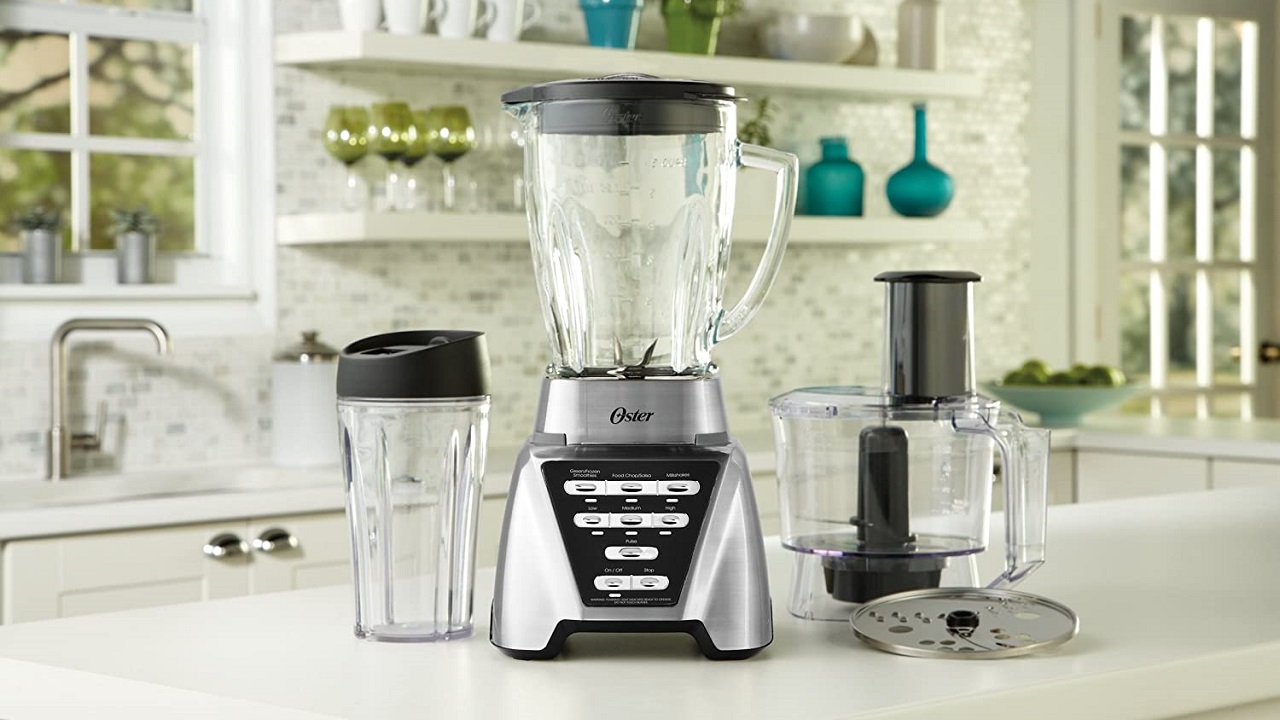
7 min read There are many blender-food processor machines on the market which makes selecting the right one a bit challenging. In this article, we’ll check out the best blender-food processor combos that money can buy.
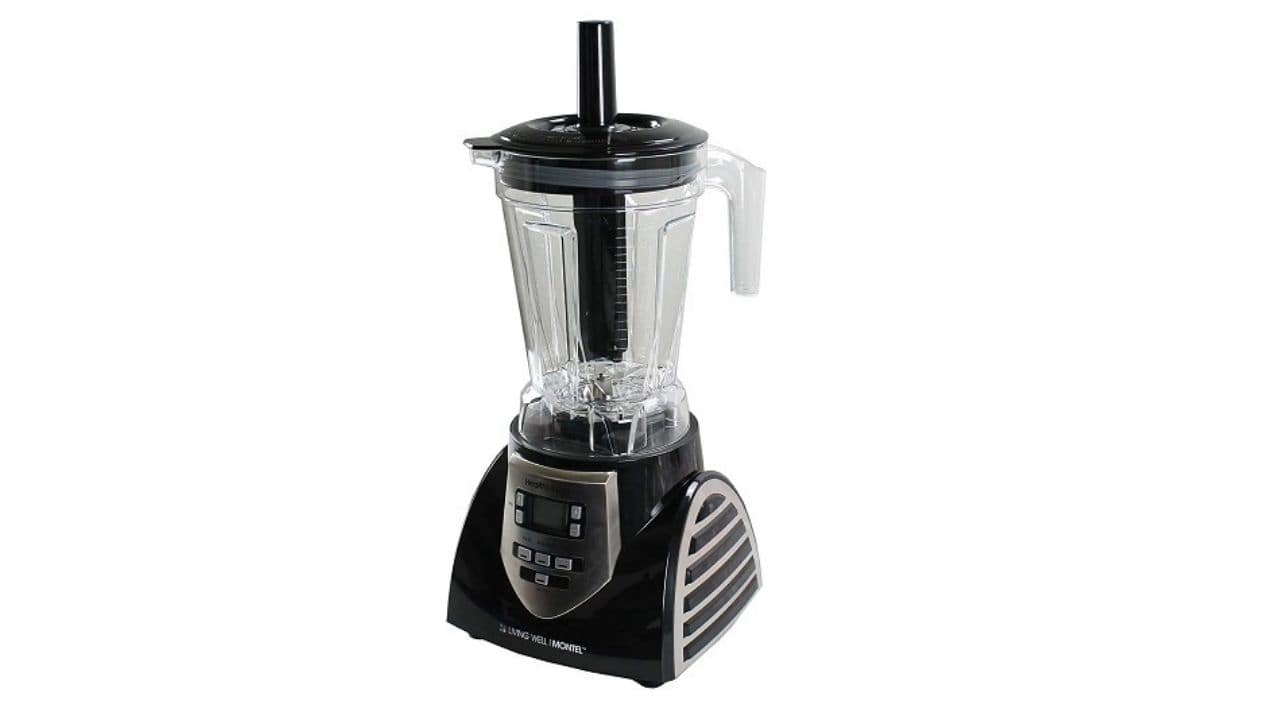
HealthMaster Elite Blender By Montel Williams Review
7 min read The HealthMaster Elite Blender claims to be capable of both a juicer and food processor. Are these claims true? Read this article to find out.
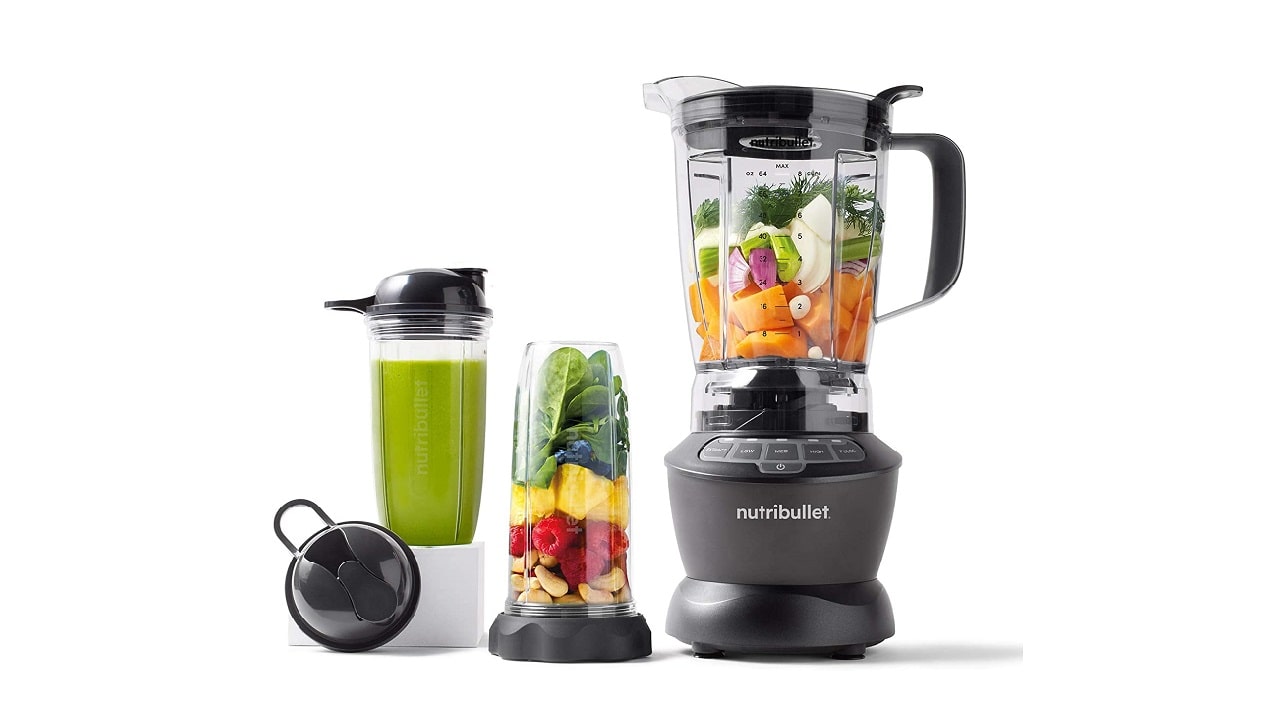
NutriBullet ZNBF30500Z Combo Blender Review
6 min read The NutriBullet ZNBF30500z Combo Blender looks basic, but don’t let the simple structure fool you. This blender is an excellent replacement for your less powerful blenders, with enough quantity capacity to serve a group and enough power capacity to perform much more than the usual basic functions.
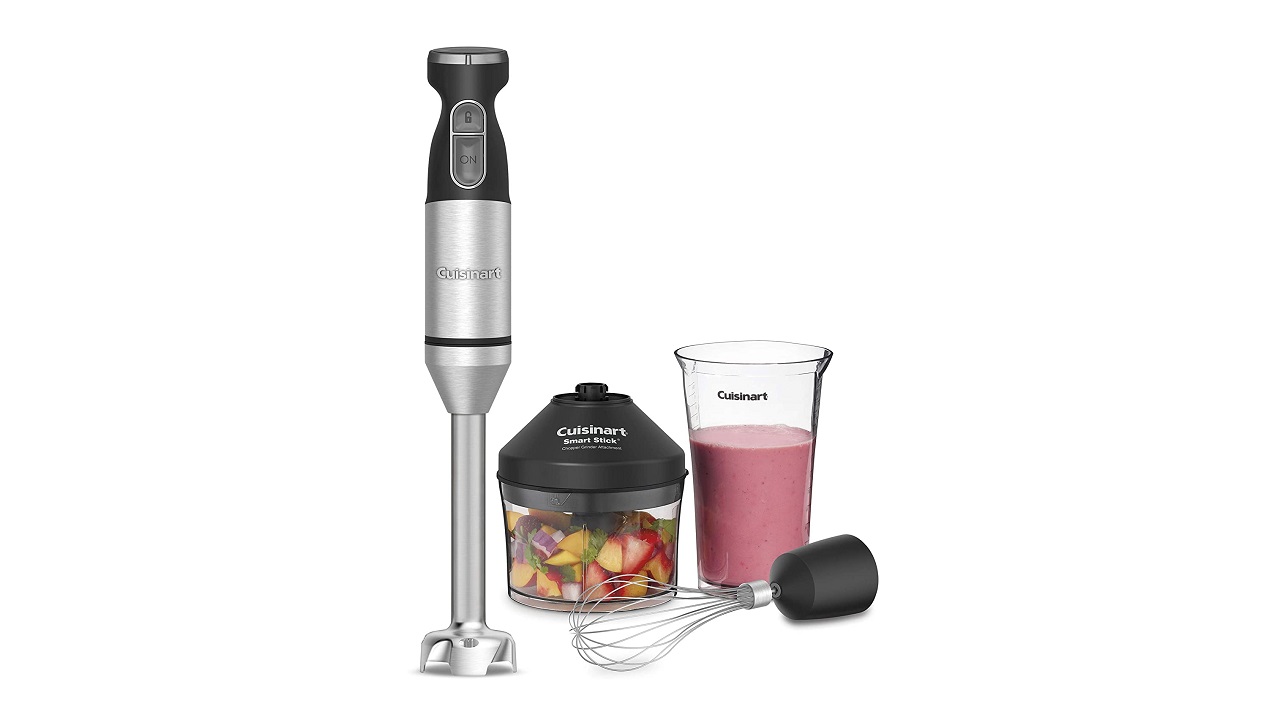
Cuisinart CSB-179 Smart Stick Hand Blender Review
6 min read Cuisinart immersion blenders have been very efficient. The Cuisinart CSB-179 Smart Stick is no exception. It is a perfect immersion blender for making your dips, dressings, etc. In this review, we will be discussing everything that you need to know about the Cuisinart CSB-179 smart stick blender.
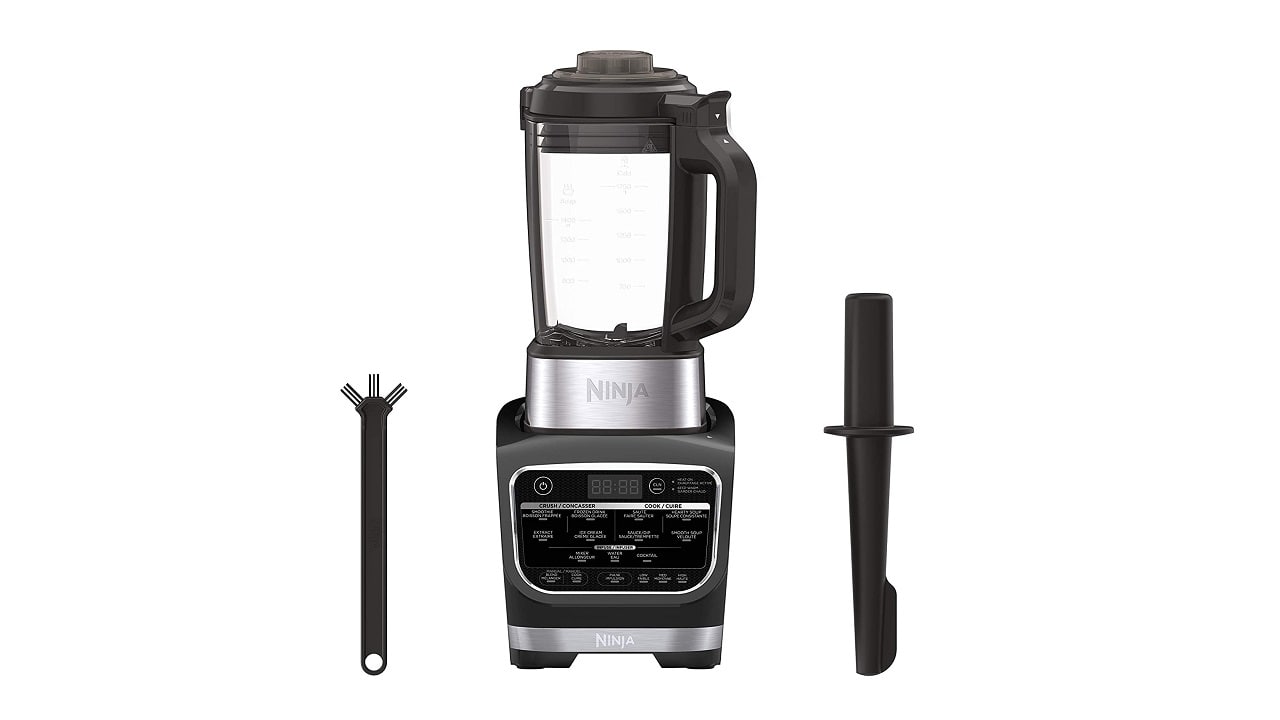
Ninja Foodi Cold and Hot Blender Review
6 min read In this Ninja Foodi Cold & Hot Blender review, we’ll explore all there is to know about the gadget to decide if it lives up to its reputation or is just a hyped product.
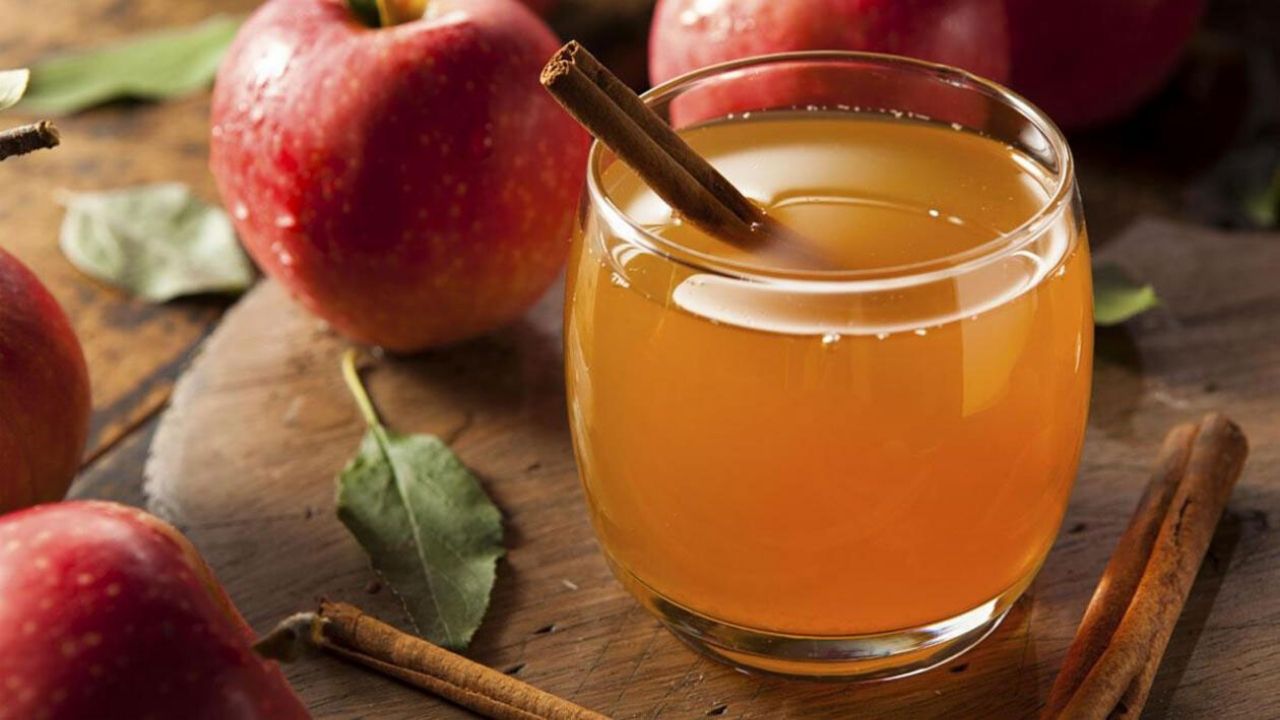
Cinnapple Syrup
< 1 min read Make your own sweet apple syrup that can be served warm or cold for ice creams, pancakes, or garnish for apple pies with this Cinnapple Syrup Recipe.
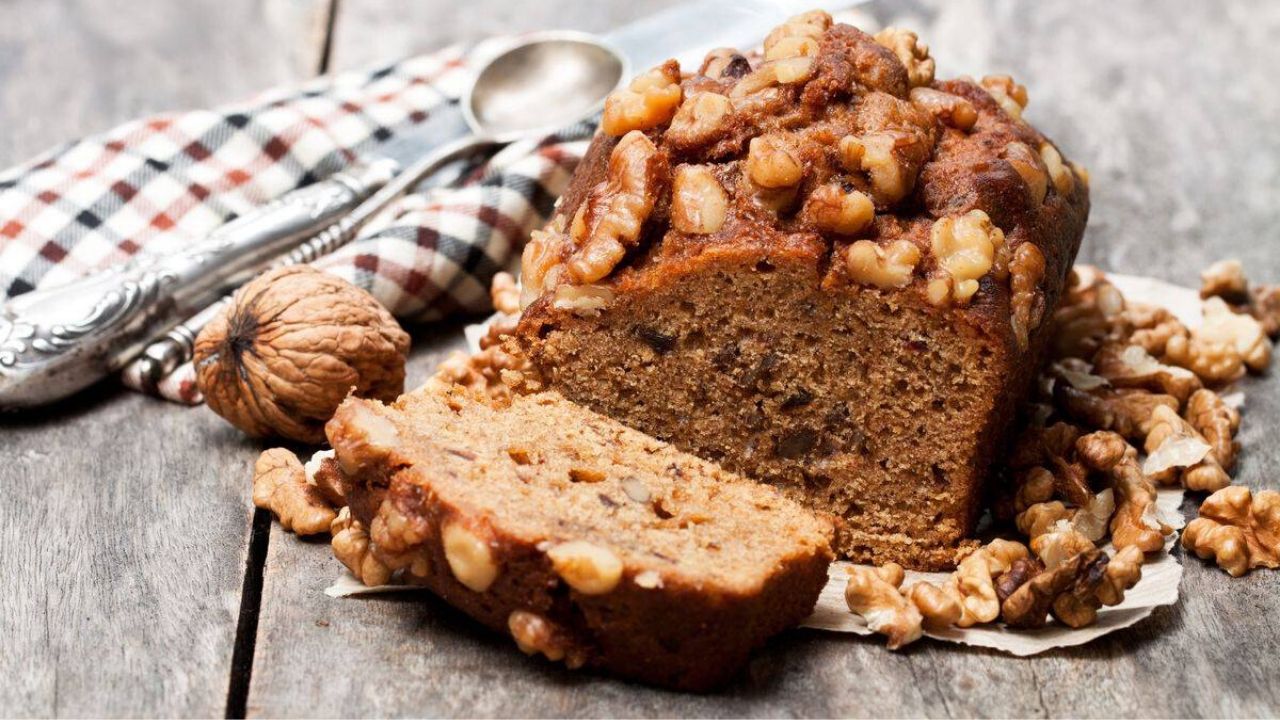
Walnut Date Bread
< 1 min read Create homemade Walnut Date Bread with a combination of sweet, pitted, chopped dates and walnuts for a surprisingly nice texture.
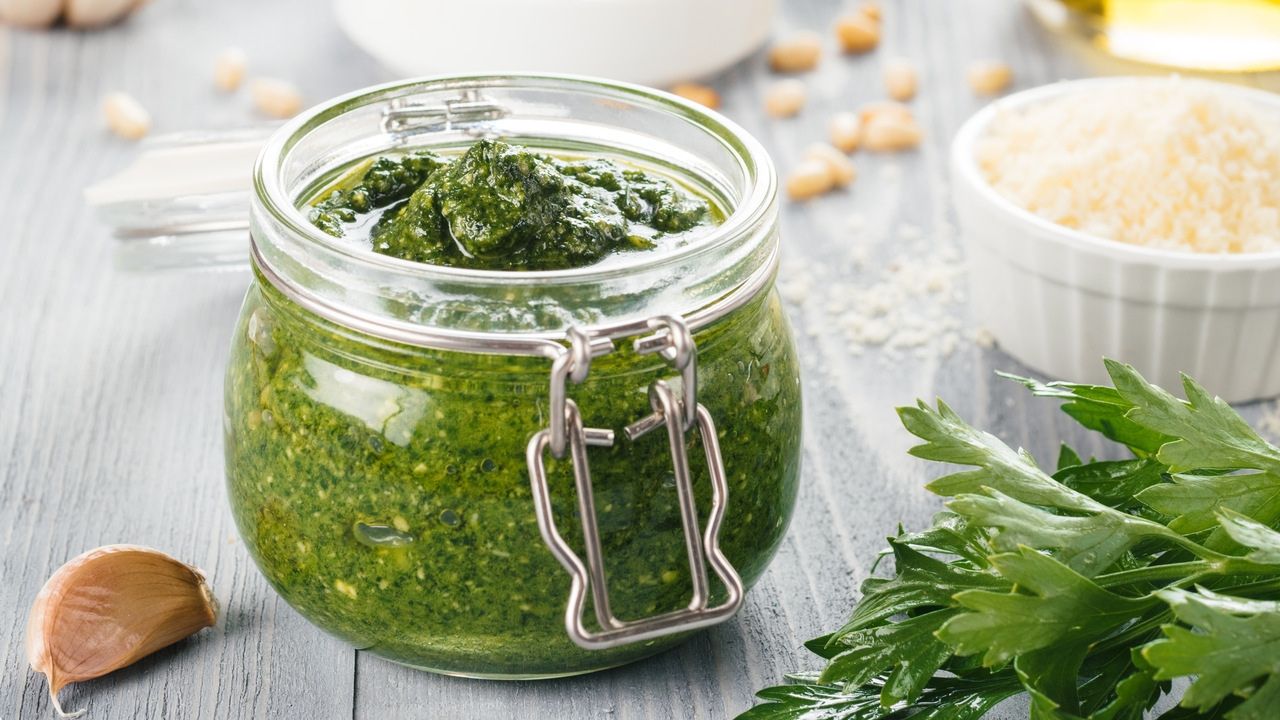
Parsley Spinach Pesto
< 1 min read Recreate the classic pesto sauce with spinach and parsley instead of basil with this Parsley Spinach Pesto Recipe.
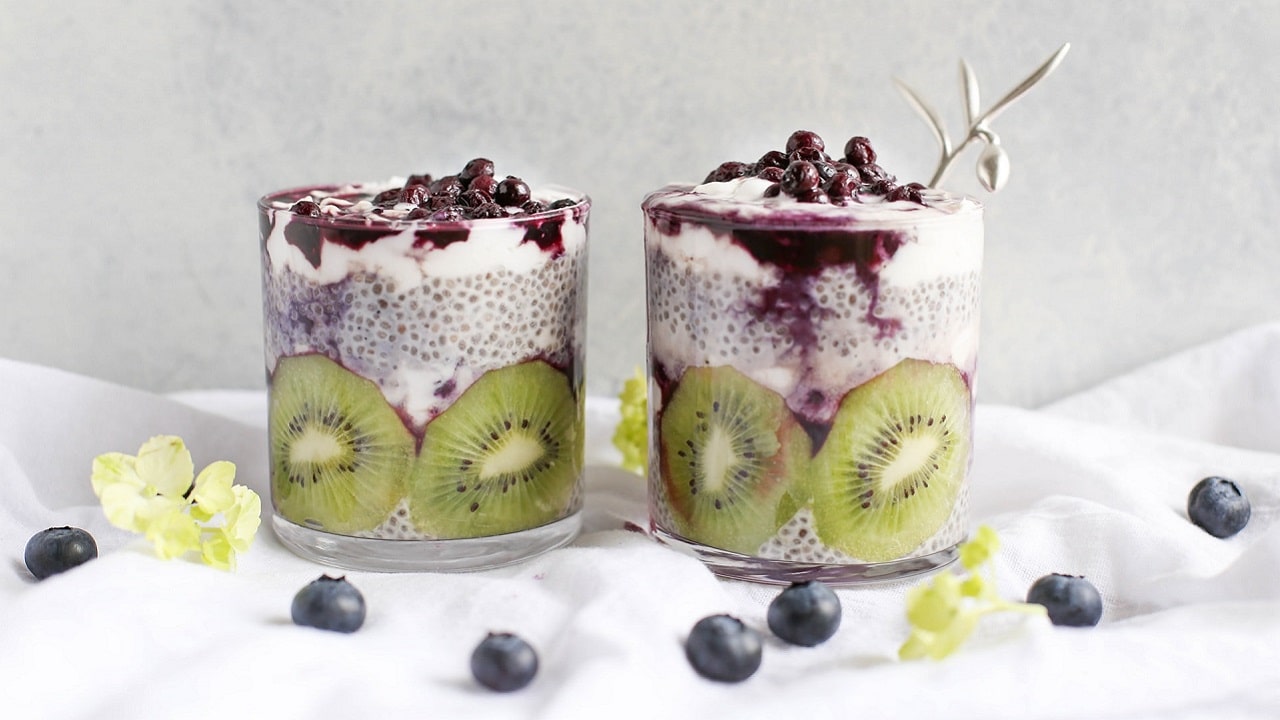
10 Best NutriBullet Recipes – Tips and Guide
6 min read NutriBullet also offers various fantastic recipes that are very simple to follow. We discuss 10 of the best NutriBullet recipes for juicing and making smoothies.
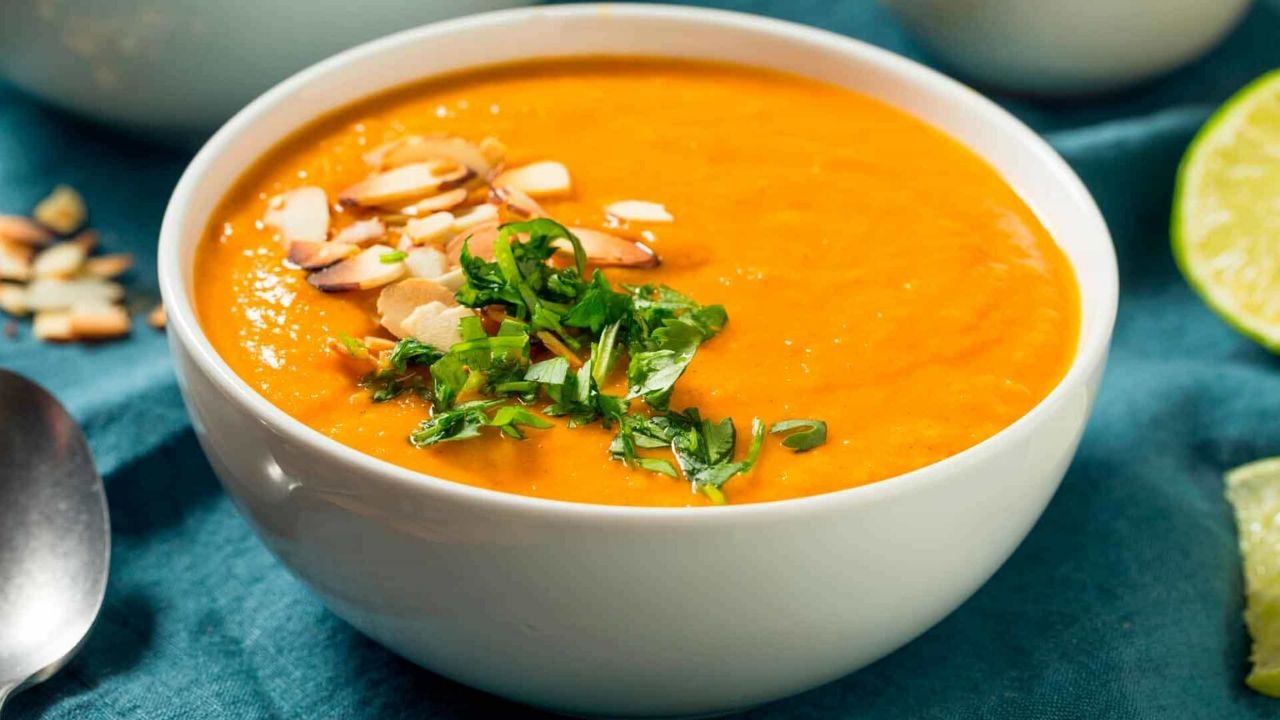
Tomatillo and Sweet Potato Soup
2 min read Make the perfect soup for those cold days with flavors of tomatillos, cinnamon, and peppers with this Tomatillo and Sweet Potato Soup Recipe.
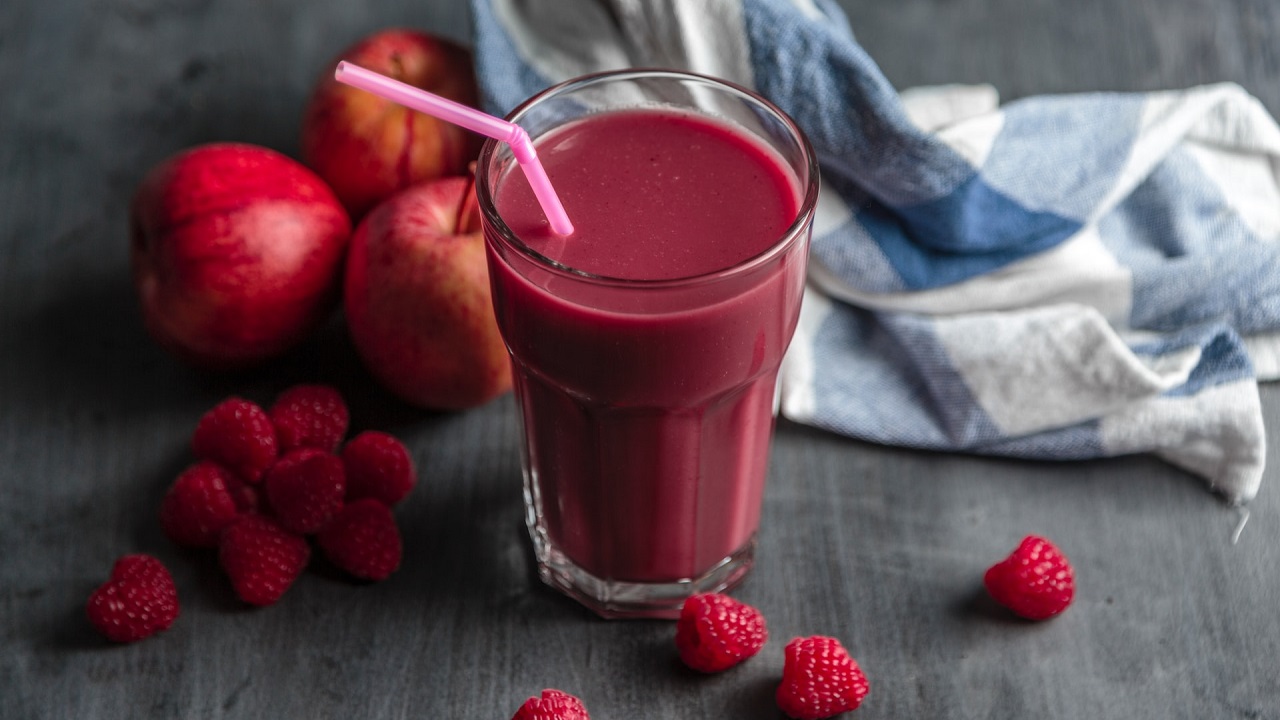
Juicing vs. Blending: Which Has More Health Benefits?
5 min read There’s only so much differentiating juicing and blending, but they are great ways to get the essential nutrients from fruits and vegetables. Both juicing and blending have several benefits and drawbacks in preparation and consumption.