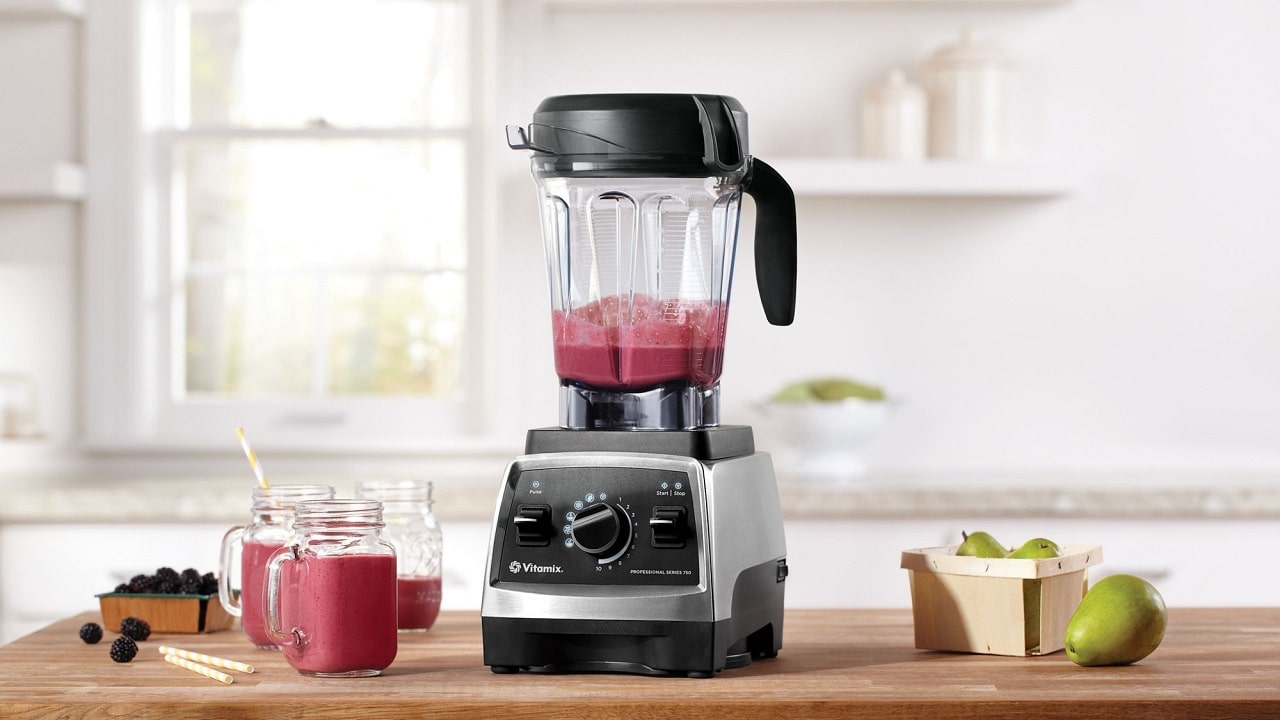
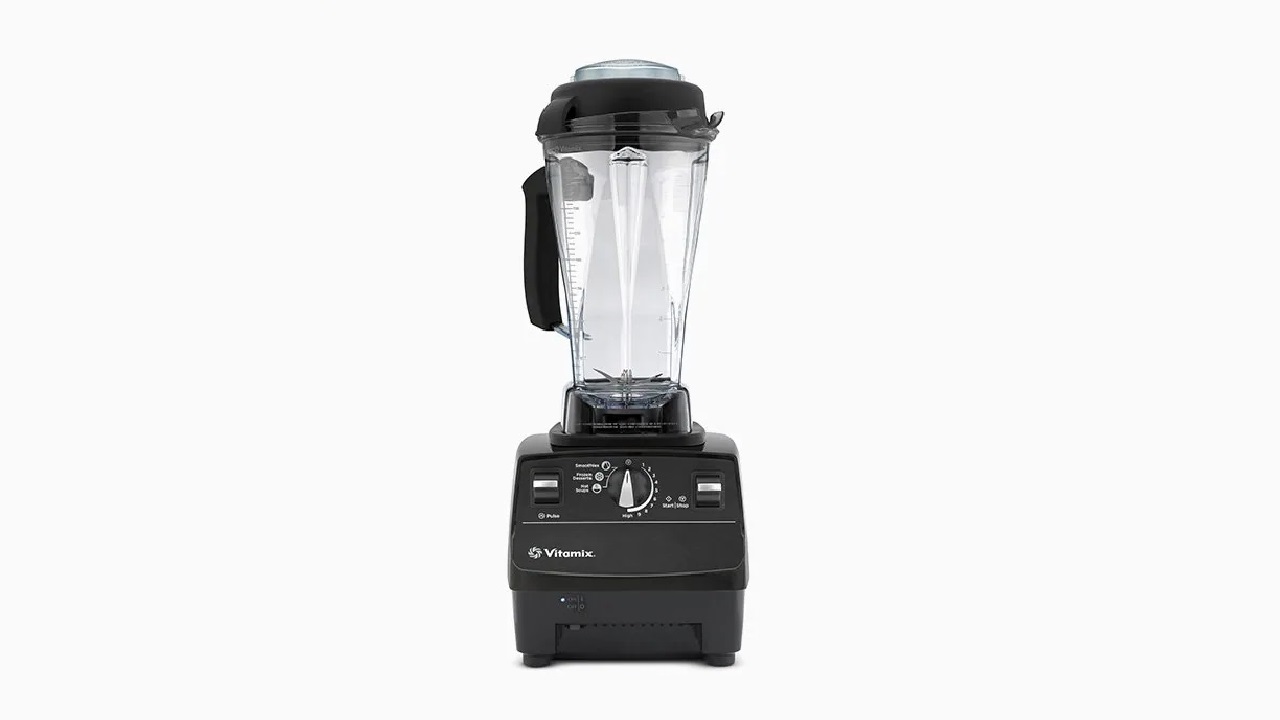
Vitamix 6300 Blender Review
6 min read Why should you choose the Vitamix 6300 blender? There are several reasons why and in this article, you will find the answers you need and hopefully clear your doubts.
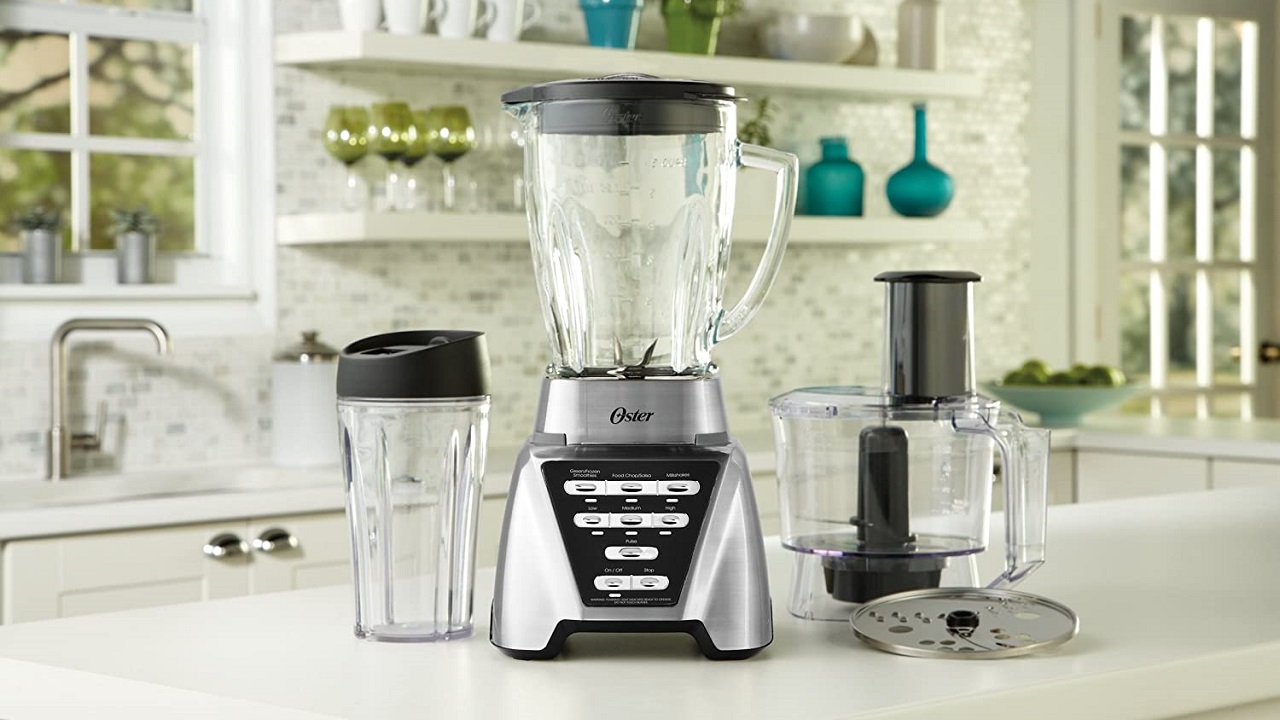
5 of the Best Blenders for the Money
10 min read Who would want to pay more for a blender if you can get it for less? Check out our top picks for the best blender for the money.
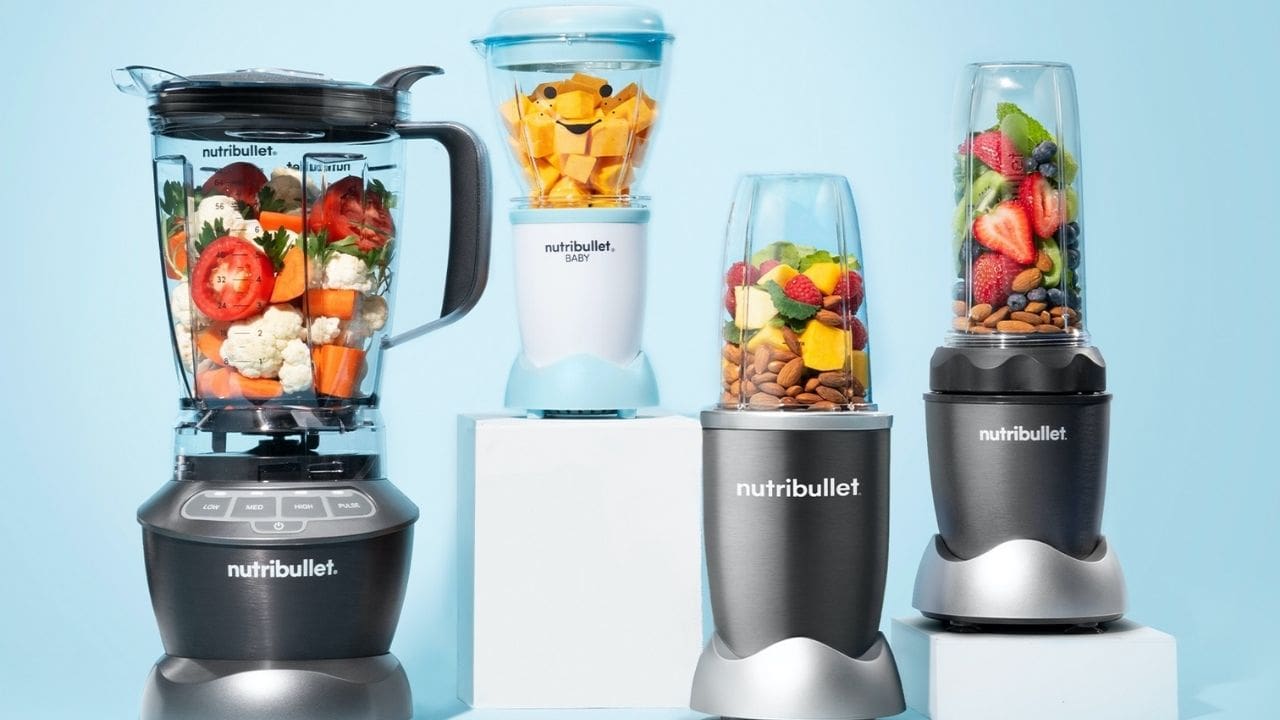
The 5 Best NutriBullet Blenders in 2022
9 min read Did you know that NutriBullet has a blender specifically made for preparing baby foods? Read up on our list of the best NutriBullet blenders and learn more.
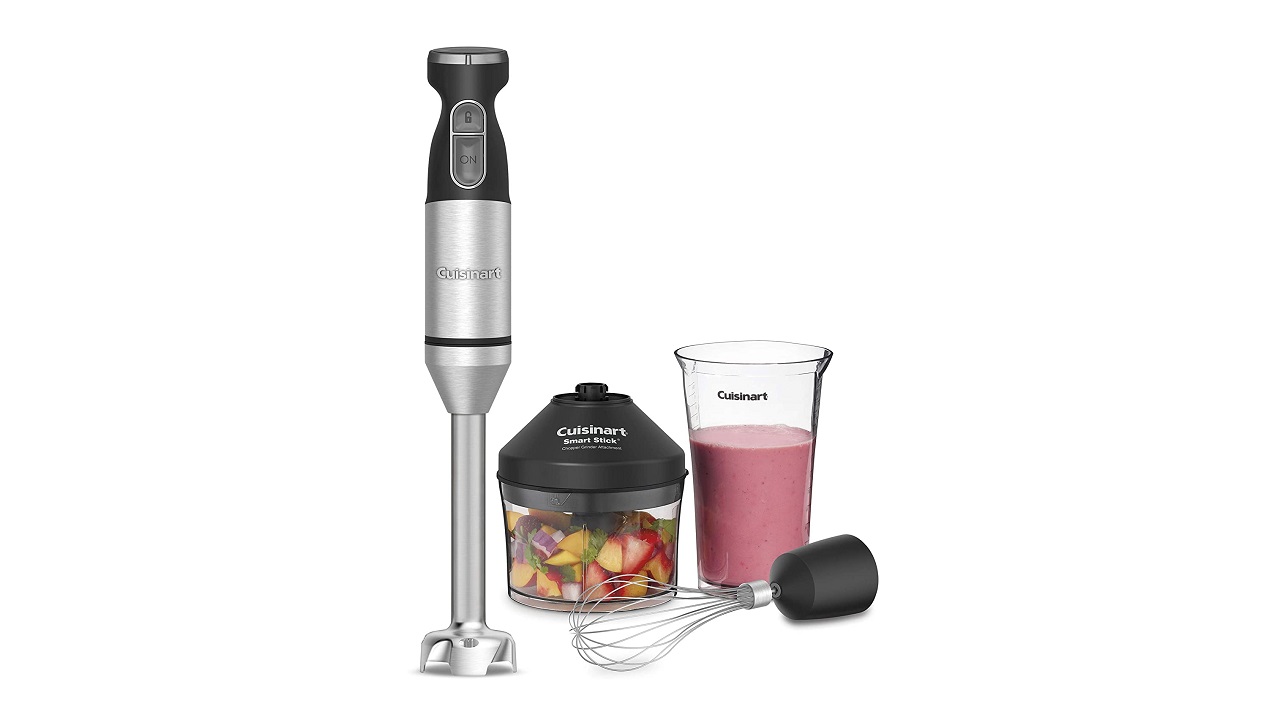
Cuisinart CSB-179 Smart Stick Hand Blender Review
6 min read Cuisinart immersion blenders have been very efficient. The Cuisinart CSB-179 Smart Stick is no exception. It is a perfect immersion blender for making your dips, dressings, etc. In this review, we will be discussing everything that you need to know about the Cuisinart CSB-179 smart stick blender.
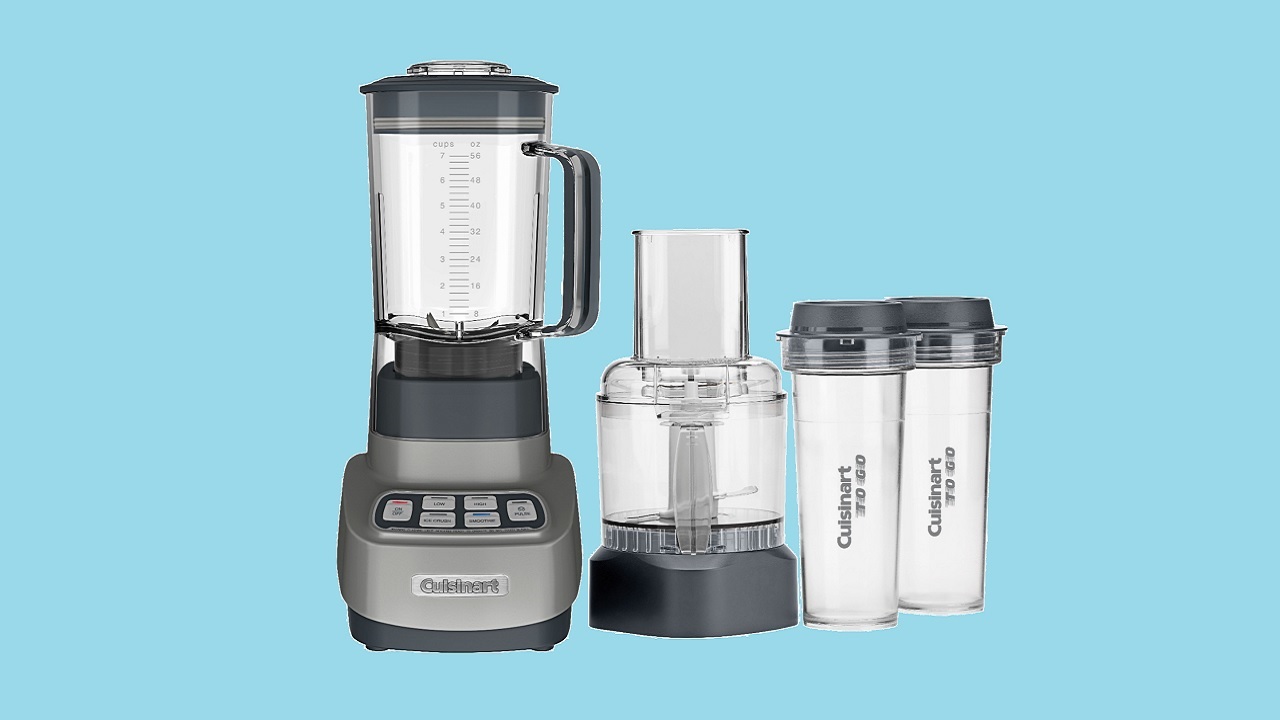
5 Best Cuisinart Blenders of 2022
10 min read If you are interested in getting a good blender, especially one that is highly efficient, functional, and versatile, you should consider having a blender from Cuisinart on your priority list. Here we discuss the best.
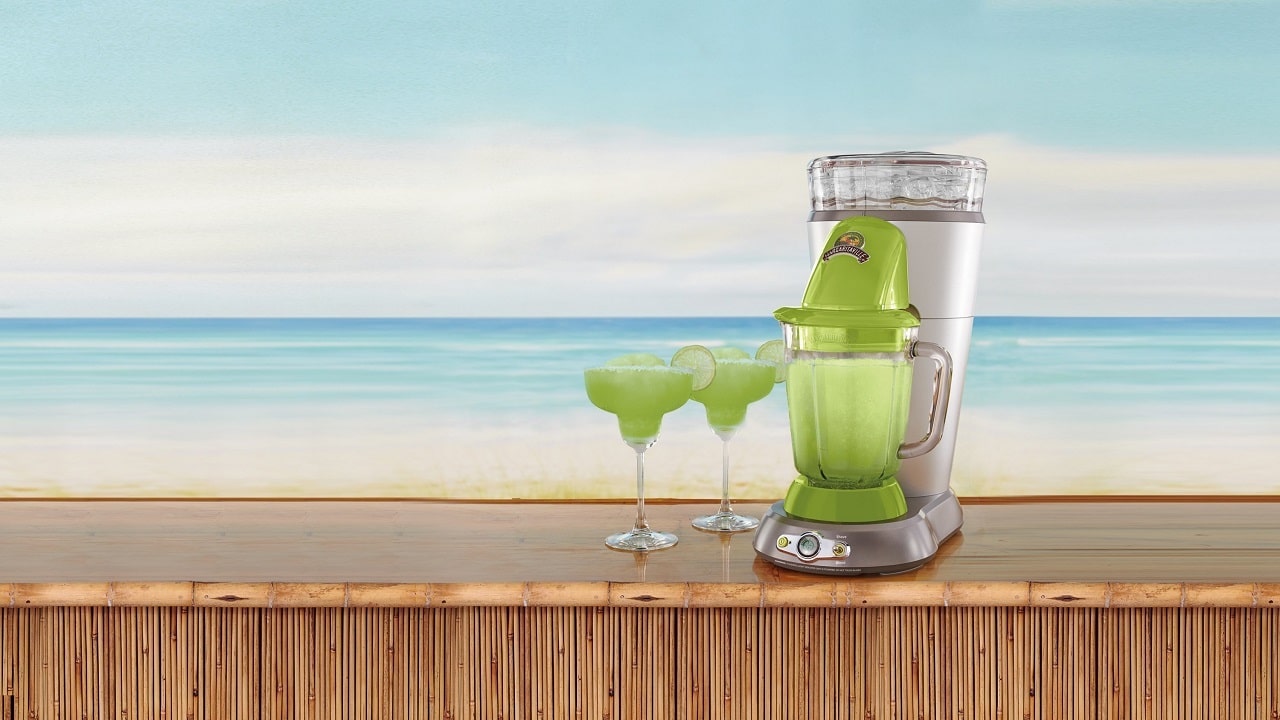
Margaritaville Bahamas Frozen Concoction Maker Review
7 min read This article covers all you need to know about the Margaritaville Bahamas Frozen Concoction Maker. From its versatile functionality to its warranty.
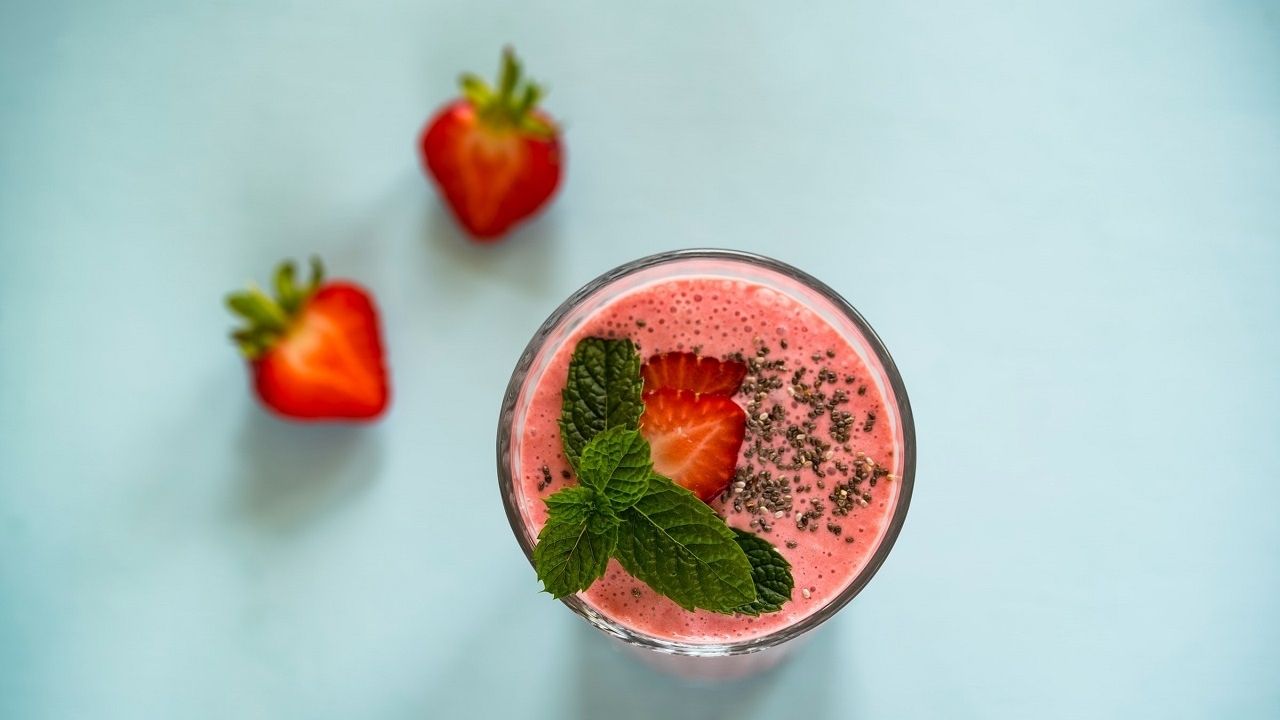
The Best NutriBullet Weight Loss Recipes
5 min read Aside from marketing their blenders, NutriBullet also provides some helpful tips to help lose weight. Here are some of the best NutriBullet weight loss recipes.
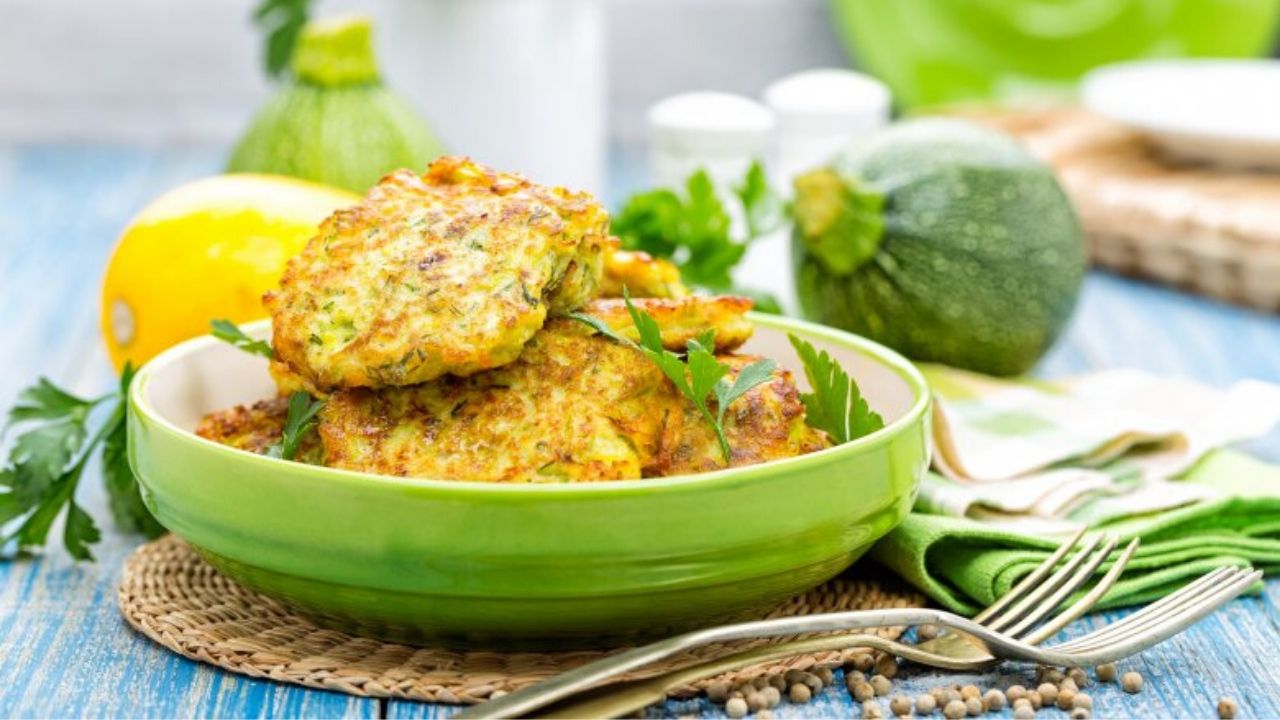
Zucchini Pancakes
< 1 min read Put a healthy twist on a breakfast favorite with this Zucchini Pancakes Recipe.
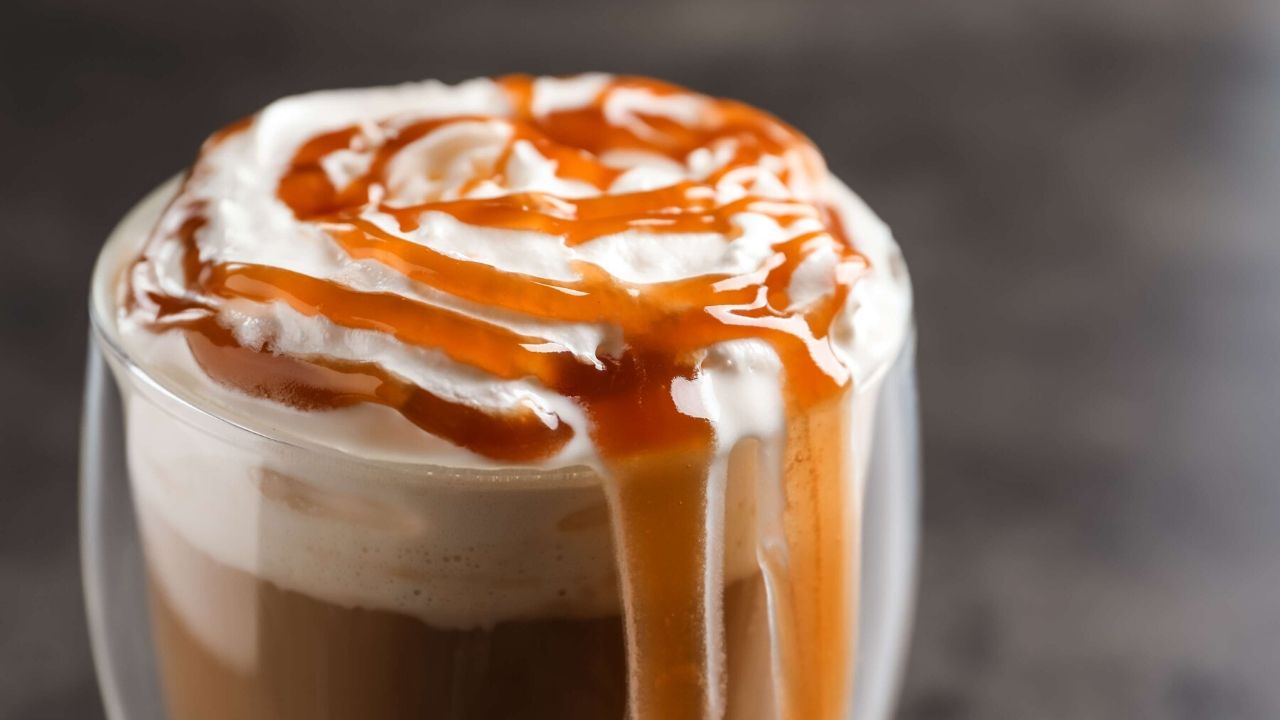
Caramel Espresso Frappé
< 1 min read Bring the taste of coffee shop right to your home with a frozen blend of caramel and chocolate espresso with this Caramel Espresso Frappé Recipe.
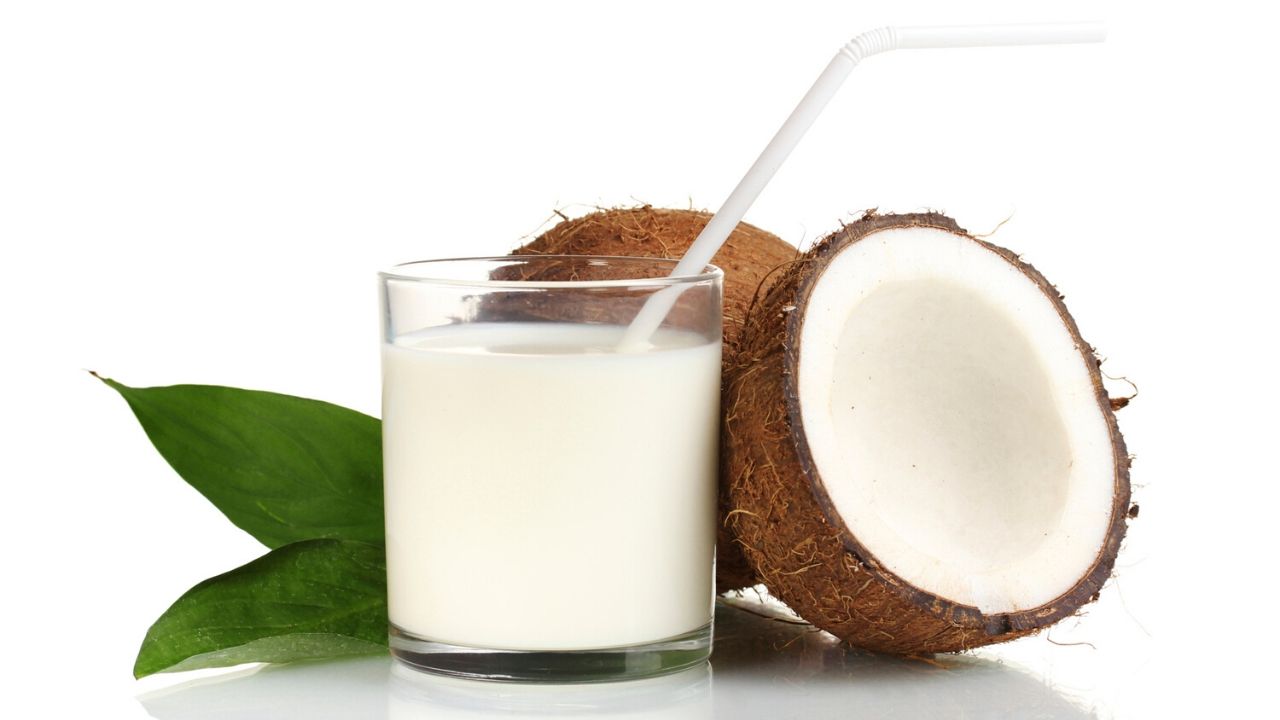
Coconut Milk
< 1 min read Make your own coconut milk that is perfect for soups, smoothies, and for baking with just two ingredients with this Coconut Milk Recipe.
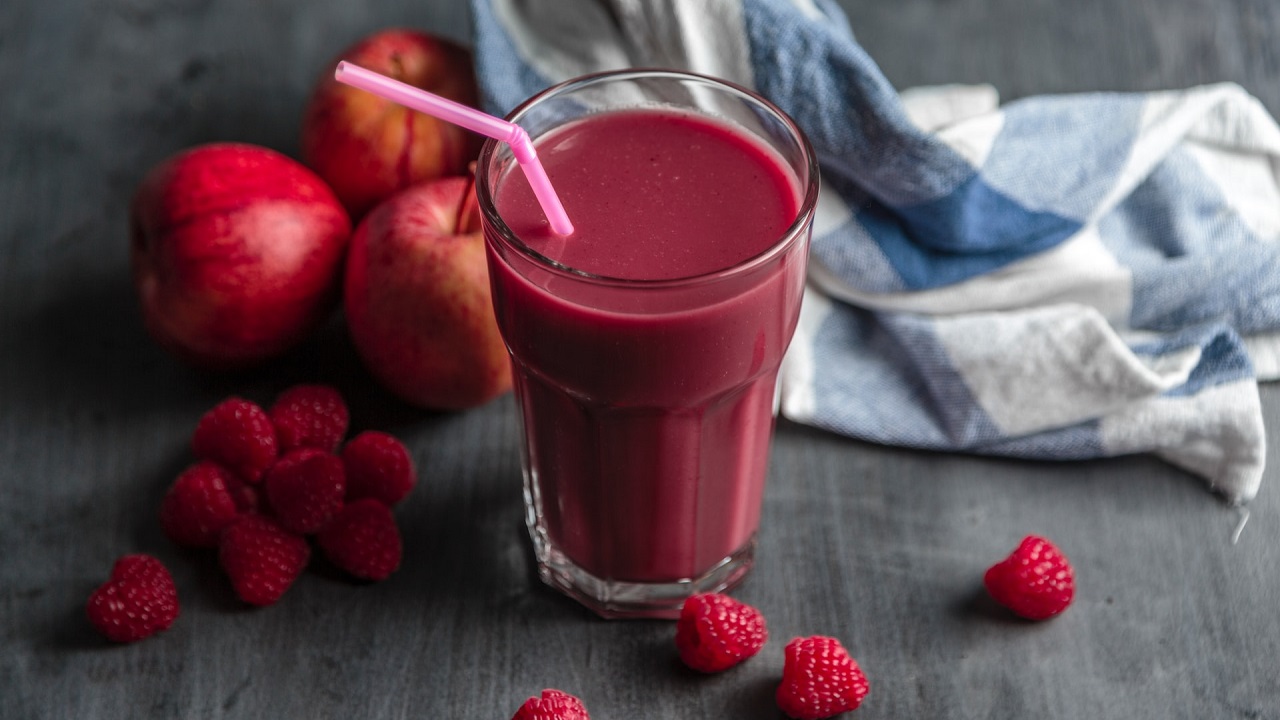
Juicing vs. Blending: Which Has More Health Benefits?
5 min read There’s only so much differentiating juicing and blending, but they are great ways to get the essential nutrients from fruits and vegetables. Both juicing and blending have several benefits and drawbacks in preparation and consumption.
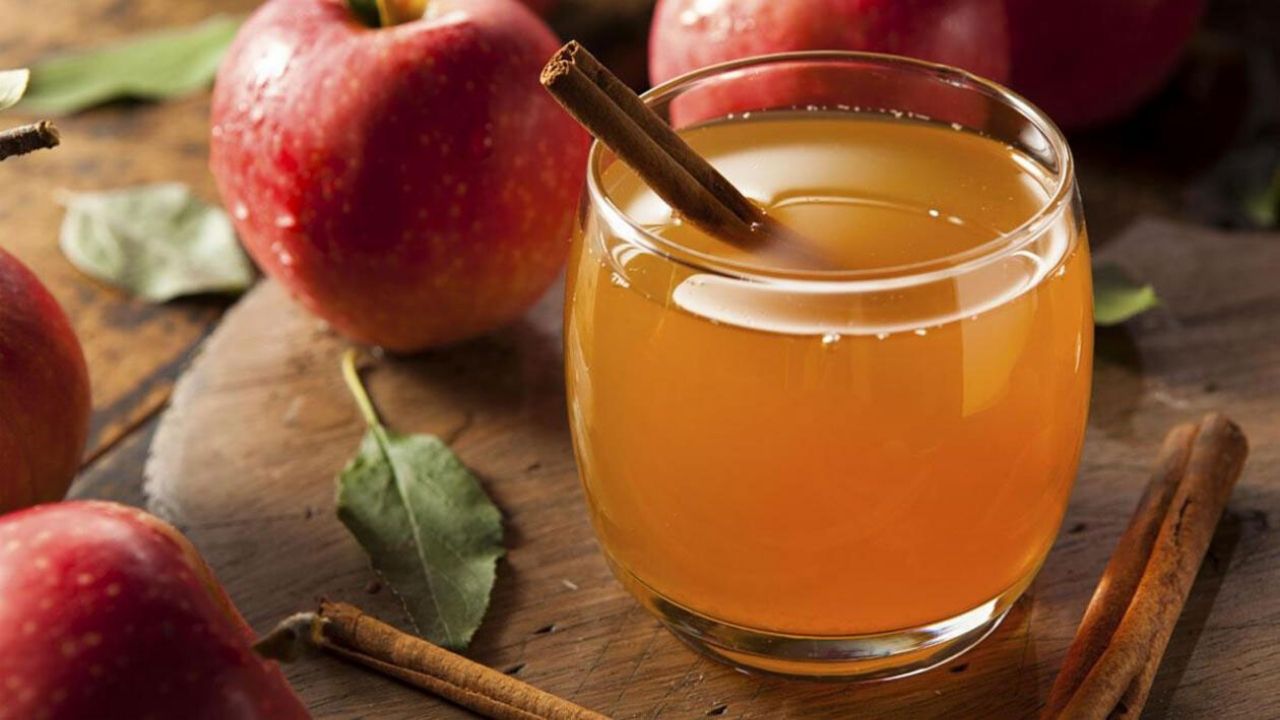
Cinnapple Syrup
< 1 min read Make your own sweet apple syrup that can be served warm or cold for ice creams, pancakes, or garnish for apple pies with this Cinnapple Syrup Recipe.